


From Sacred to Smoggy: Air Quality Issues Plaguing Amritsar

Amritsar, the jewel of Punjab and home to the iconic Golden Temple is a beacon of spirituality and culture.
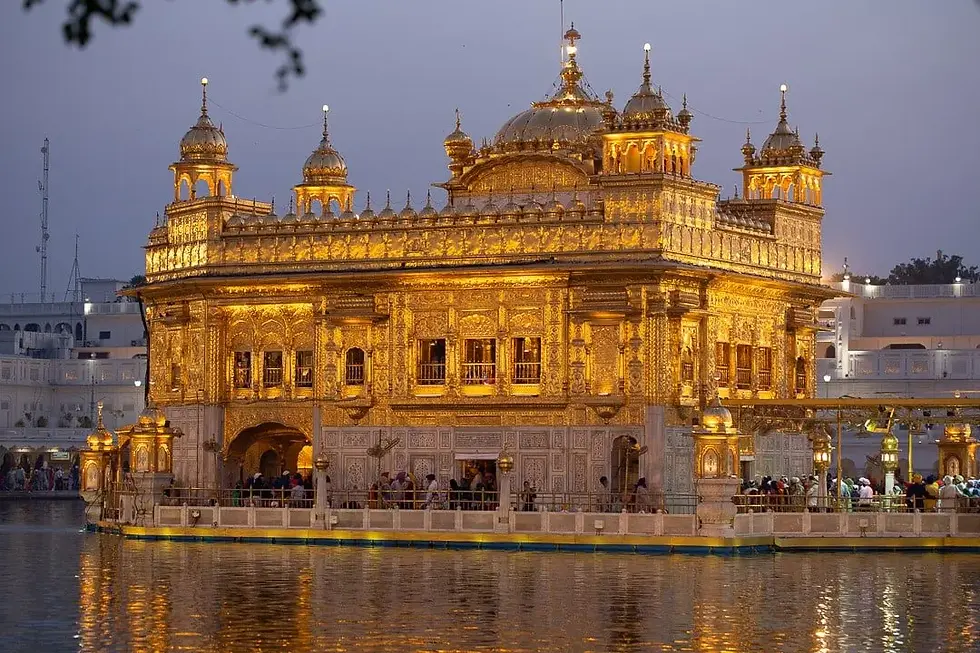
Yet, the city is grappling with a growing environmental challenge: Air Pollution. Despite its heritage and bustling economy, rapid urbanization, growing vehicular emissions, and regional factors have contributed to deteriorating air quality. The city is among the 20 most polluted cities of India according to recent news.
Amritsar’s Air Quality Index (AQI) frequently enters the “poor” to “very poor” category, signalling an urgent need for action.

What’s worsening Amritsar’s Air Quality?
Urban Development:
Rapid growth under the Amritsar Smart City Mission, including road expansions and urban projects, has led to increased dust emissions (PM10). Unregulated construction activities further contribute to pollution.
Vehicular Traffic:
Amritsar struggles with over 50,000 unregistered and nearly 1 million registered vehicles, many using kerosene-petrol blends, a major pollutant contributing to air pollution. Combined with heavy traffic on the Grand Trunk (GT) Road, these vehicles significantly worsen air quality, highlighting the urgent need for emission controls and cleaner transportation solutions.

Stubble Burning:
Every harvest season, nearby agricultural regions burn crop residue, releasing enormous amounts of PM2.5 into the atmosphere. This practice significantly impacts Amritsar, particularly in winter.

Geographical Constraints:
Located in the Indo-Gangetic Plain, Amritsar experiences atmospheric stagnation during winters, trapping pollutants closer to the surface. Additionally, the city lies on the main Grand Trunk road (GT Road) from Delhi to Amritsar connecting to Lahore in Pakistan contributing to the day-to-day transportation activities in the city and increasing air pollution.
Industrial Activities:
Small-scale industries, including textiles and food processing, operate without stringent emissions regulations, adding to pollution levels.

Towards Clean Amritsar & Better Air Quality
Amritsar’s PM2.5 concentrations frequently exceed 8–10 times the WHO's safe limits, posing severe risks such as respiratory illnesses and cardiovascular diseases. Children and the elderly are particularly vulnerable.
To combat this Air Quality crisis, Amritsar needs stricter enforcement of pollution norms, promotion of cleaner fuel technologies, and investment in sustainable urban solutions like public transport and green belts. Additionally, addressing stubble burning with bio-decomposition technologies is crucial.
Balancing development with sustainability is vital for preserving Amritsar’s cultural and environmental legacy. Together, the city can breathe cleaner air while retaining its charm and spiritual significance.


FLY88 làm tôi chú ý đến cách điều kiện ưu đãi được trình bày trước khi tham gia. Mình thường xem đối tượng, thời hạn, yêu cầu và phạm vi áp dụng trước rồi mới cân nhắc có phù hợp với nhu cầu hiện tại. Nếu chương trình cho người mới, hoàn trả hoặc nhóm khác được tách rõ, tôi sẽ dễ đối chiếu hơn. Một vài khu như thể thao hoặc casino chỉ là nơi áp dụng chứ không phải trọng tâm. Với tôi, phần khuyến mãi dễ theo dõi khi điều kiện nằm gần chương trình, nội dung ngắn và không buộc người dùng mở quá nhiều trang
S8 tạo cảm giác khá dễ làm quen với người mới. Menu, tiêu đề và các khu vực nội dung đều có sự phân cấp tương đối rõ.